
As the temperature drops and the heating goes on, your skin is quietly working overtime.
Why winter hits your skin harder than you think
Your skin is in a constant conversation with its environment, and winter gives it a lot to deal with. Cold air outside, heated air inside, sluggish cell turnover, reduced oil production, and the constant swing between temperatures all conspire to leave skin dull, dry and reactive. Kara from Willow Skin in Birkenhead puts it plainly: “Winter air is much drier and holds less moisture, so it pulls the water out of your skin. Combine this with indoor heating and suddenly your skin is losing hydration faster than it can replace it.”
Sarah from Le Visage Skin Clinic in Takapuna adds that it’s fundamentally a question of balance. “Your skin needs the right ratio of oil and water hydration to function well. When that balance is disrupted, the first signs show up as tightness, redness, flushing, rough texture or flaking – sometimes even in how your makeup sits on your skin.” Left unaddressed, both experts agree these early signals can escalate.
The encouraging news? Your skin will tell you what it needs, if you know what to listen for. “The first sign is usually dryness,” says Kara. “You might feel that you need to step up the moisture content in your routine either by adding hyaluronic acid, a facial oil, or a denser moisturiser.”

The mistakes most people don’t know they’re making
Perhaps the most common error, both experts say, is the simplest: doing nothing differently at all. Carrying a summer skincare routine straight into winter (light moisturisers, oil-controlling serums, regular exfoliation) is one of the fastest ways to leave your skin struggling. “Swap out those moisturising lotions for creams that are denser in texture and more nourishing in ingredients,” advises Kara, “and add a facial oil to your routine in the evening.”
Sarah’s approach mirrors this: “A hydrating cream cleanser, a hyaluronic acid serum and a slightly richer moisturiser can make a big difference without overcomplicating your routine.” Both experts also flag one surprisingly damaging habit: the long, hot shower. “They feel amazing,” Kara concedes, “but they have a drying and damaging effect on your skin and can cause real itchiness. Swap super-hot water for warm and nourishing.” Sarah agrees: “Tepid or cool water is much kinder to dry or reactive winter skin, especially on your face.”
There’s another factor that often gets overlooked entirely: what you’re drinking. “We’re desperate to cool down in summer and drink lots of water,” says Kara, “but in winter we love a hot cup of tea or coffee instead. This leads to internal dehydration, and our body prioritises other organs first, meaning skin gets whatever hydration is left over. Drink more water, people.”

Why winter is actually the best time to see a skin professional
If you’ve been putting off a professional skin treatment, winter might be exactly the right time to book in. “A lot of laser treatments, peel courses and micro-needling are actually done throughout the winter months,” explains Kara, “due to the hibernation that comes with cooler weather. You’re not getting a peel and then lying on the beach for hours.” She likens it to hiring a personal trainer: “Winter is the time you do the work, so you look and feel your best for summer.”
Professional treatments are only part of the equation. “Winter is a great time to check in, support the skin barrier and boost dull or dehydrated skin”, adds Sarah. “But what you do at-home morning and night creates the long-term change.” She also notes that winter skin can be more reactive, so a personalised plan with your skin therapist is essential before diving into more advanced treatments.
Starting from scratch? Here’s where to begin
For anyone who has never really had a skincare routine, the world of serums, actives and SPFs can feel a bit overwhelming. Both experts offer the same starting point: get a professional skin consultation before buying anything. “There are so many products out there,” says Kara, “and just because something is endorsed by a celebrity doesn’t mean it will work for you. Choose a clinic that doesn’t expect you to buy too many products upfront, and let them guide you to the right basics: a good cleanser, hydration, moisturiser and SPF.”
At Le Visage, Sarah’s team begins with a complimentary Observe Skin Scan. “It allows us to look a little deeper and see what’s really happening beneath the surface, so we can recommend what your skin actually needs rather than guessing or overcomplicating things. Every skin, budget and lifestyle is different, so we start simple, then build from there.”

The one habit that changes everything
Ask a skin expert what single habit they’d urge everyone to adopt, and the answers reveal a lot about how they approach skin health. For Kara, it’s SPF every day, without exception. “A lot of people think sunscreen is only for summer, or only when you’re outside. But UVA rays never change. Rain, hail or shine, they’re penetrating your skin, and through your windows too.” She also recommends a weekly exfoliation to clear the dry, dead skin cells that winter slows down. “It helps your serums and moisturisers actually absorb and do their job.”
For Sarah, it’s consistency. “A simple routine, done morning and night, will always make the biggest difference. When your skin barrier is healthy, your skin holds hydration better, feels calmer, looks brighter, and can handle more active ingredients when the time is right.” It’s a philosophy that extends far beyond a season. “A happy, healthy skin barrier is the foundation for everything we do with skin, and it’s what allows us to create long-term change and support your skin through every stage of life.”
Between these experts, the message is clear: winter isn’t a time to abandon your skin or simply endure the dryness. With the right adjustments (and the right guidance) it might just be the best time to invest in it.
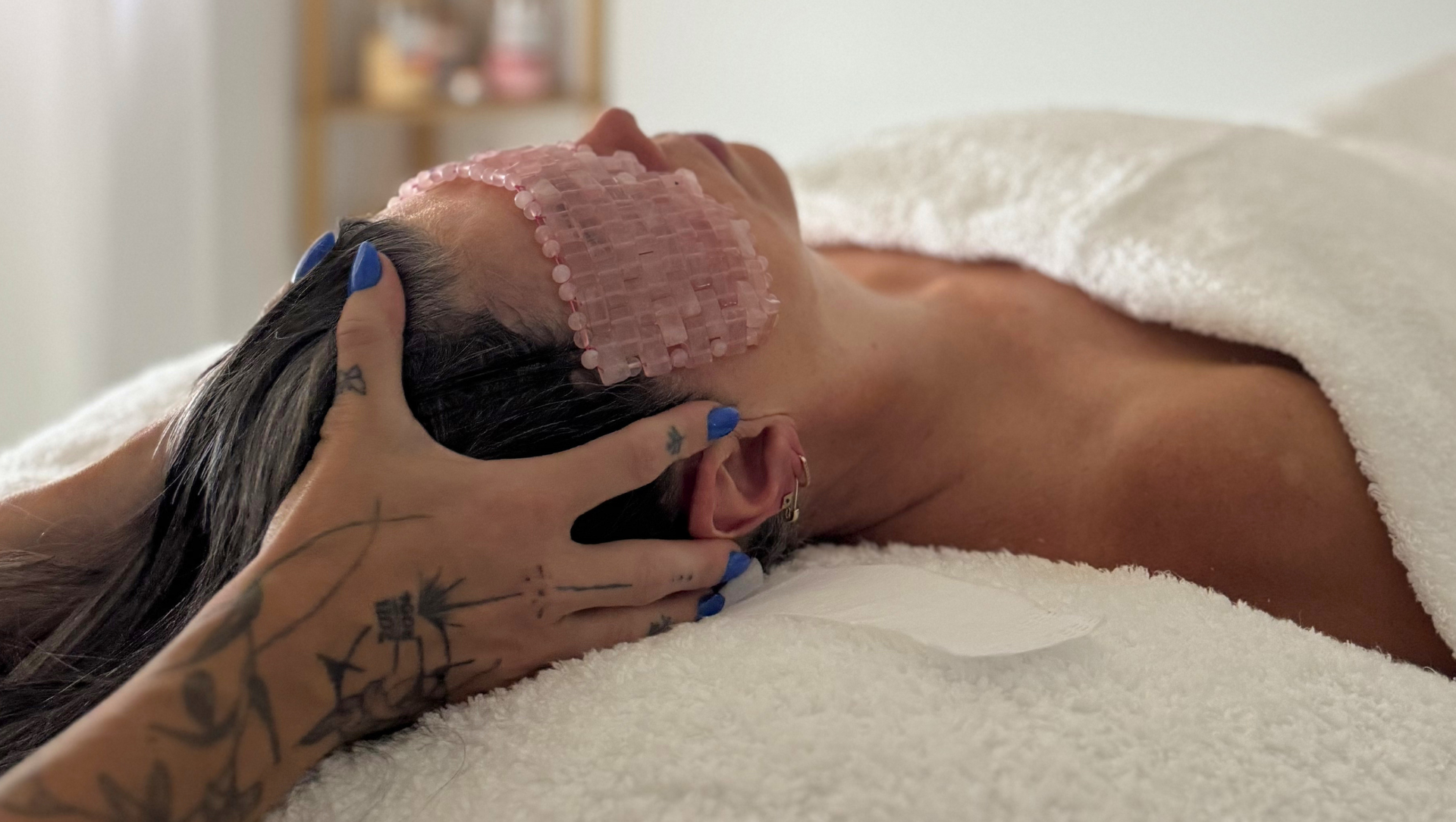
Main image: A client enjoying a treatment at Le Visage Skin Clinic.