A North Shore gardening expert shares the winter secrets your garden has been waiting for.
If you've ever lost a plant over winter and blamed the cold, Sarah Glidden of Sarah's Garden Services has news for you: cold probably isn't the culprit.
"Most plants don't die from cold," says Sarah. "They die from sitting in water." It's a simple but game-changing insight, and one that makes a lot of sense once you've spent a few winters gardening on the North Shore.
What actually thrives here
When it comes to plants that love our climate, Sarah has some firm favourites. Top of her list for hedging is Escallonia: a hardy, evergreen shrub that handles coastal conditions particularly well. It flowers in pink, red, and white over summer, looks tidy year-round, and shrugs off the salt air that can devastate less resilient plants. If you're anywhere near the water or in an exposed position, it's hard to beat.
For trees, Sarah's heart belongs to two New Zealand natives. The first is Pseudopanax: a striking, architectural plant that earns its place in any garden with bold, glossy foliage and a pleasingly sculptural form.

Above: Kowhai Tree
The second is Kōwhai (Sophora), the golden-flowered icon that needs no introduction to most Kiwi gardeners. Both are well-suited to North Shore conditions and, as natives, do their bit for local birdlife too.
The one thing to do right now
Sarah's winter prep advice is straightforward, practical, and takes less than an afternoon. The North Shore's particular challenge, she explains, is that winter mostly means wet, cold clay, and clay soil that gets waterlogged is a recipe for root rot. The solution isn't complicated, but it does require getting out there before the worst of the rain sets in.

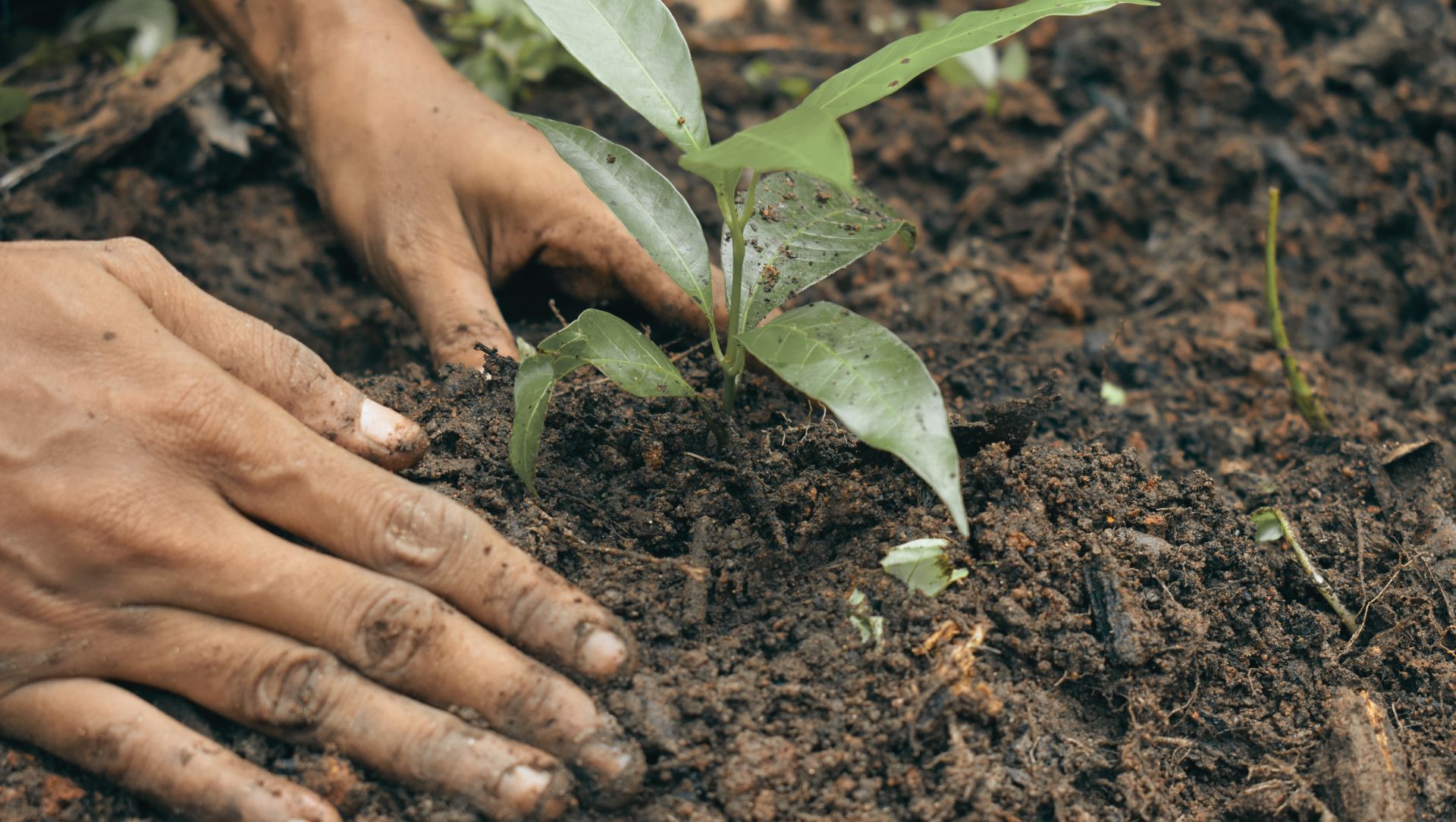
First, lift the soil slightly around your plants by creating a gentle mound. This encourages water to drain away from the root zone rather than pooling around it. Second, add a layer of bark mulch (around 50 to 75mm thick) around the base of your plants, making sure it doesn't touch the trunk itself. The mulch acts as insulation, regulates soil temperature, and helps manage moisture levels through the wet months.
Two small interventions, but Sarah says they make a real difference to how plants come through to spring.
Sarah Glidden runs Sarah's Garden Services on the North Shore.